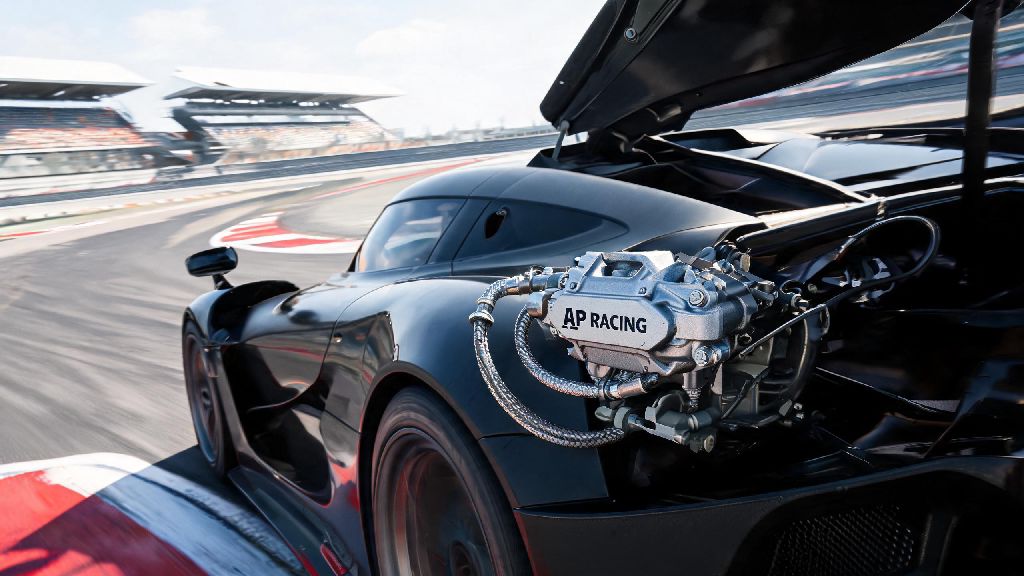
Any driver who’s pushed their car hard on a track or twisty back road knows brake performance is non-negotiable. I learned this the hard way three years ago, when a cheap aftermarket master cylinder failed mid-lap at my local time attack event, forcing me to take a runoff at 80mph. That scare pushed me to research high-performance brake systems extensively, and if you’re looking to buy AP racing master cylinder for your build, this guide pulls all the lessons I’ve picked up over dozens of brake upgrades and track sessions. I’ve tested AP Racing components on everything from a daily-driven Honda Civic track build to a dedicated drift car, so I know exactly what works, what doesn’t, and what mistakes you can skip.
Key Checks to Run Before You Buy AP Racing Master Cylinder
The biggest mistake first-time upgraders make is picking a master cylinder based on brand name alone, without matching it to their specific vehicle and build setup. Even a genuine AP Racing unit will perform poorly if it’s not sized or fitted correctly for your car. There are four core specs you need to confirm before you add any unit to your cart, and skipping even one can lead to soft pedals, dragging brakes, or total failure on track.
Bore size calculation is the most common mistake first-time upgraders make. For example, if you’re running 4-piston front calipers and 2-piston rear calipers, a 15/16 inch bore is usually the sweet spot for cars with a factory brake booster. If you’ve deleted your booster for a more direct track feel, you’ll want to drop down to a 7/8 inch bore to cut down on required pedal pressure. Never assume a “universal fit” master cylinder will work for your specific build, even if the listing says it fits your car’s make and model. Small differences in caliper setup or brake booster deletion can make a supposedly compatible unit useless.
Genuine vs. Counterfeit AP Racing Master Cylinders: How to Tell the Difference
AP Racing is one of the most counterfeited brake brands on the market, and fake units are getting harder to spot every year. These counterfeits are usually made with cheap cast aluminum instead of forged alloy, and use low-quality seals that fail after just a few heat cycles. I had a friend buy a “discount AP master cylinder” from an unvetted third-party seller last year, and it started leaking brake fluid halfway through his first practice session at a track day. He only noticed the issue when he pulled into the pits, and he could have had a catastrophic failure if he’d stayed out for another lap.
Counterfeit brake parts don’t just underperform, they can be life-threatening on track. There are a few easy checks you can run to confirm a unit is genuine before you buy. First, all genuine AP Racing master cylinders have a laser-etched serial number on the side that you can verify with AP’s official product lookup tool. Second, genuine units weigh 15-20% more than counterfeits, because they use dense forged aluminum instead of porous cast metal. Third, genuine units come with a stamped authenticity card and a 2-year manufacturer warranty, while fakes usually come with no documentation at all.
Price is also a dead giveaway. A genuine AP Racing master cylinder will cost between $320 and $550 depending on the size and features, so if you see a listing for under $200, it’s almost definitely a fake. Always request a proof of authenticity from any seller you’re considering buying from, and don’t be afraid to walk away if they refuse to share photos of the serial number or warranty documentation.
Which AP Racing Master Cylinder Fits Your Use Case?
AP Racing makes a range of master cylinder models designed for different use cases, and picking the right one for how you use your car will make a huge difference in performance and longevity. You don’t need a top-of-the-line endurance racing unit for a weekend time attack build, and you don’t want to use a basic street unit for a 24-hour race car.
If you drive your car on the street 50% of the time or more, go for AP’s standard forged aluminum master cylinder with an integrated plastic reservoir. These units are designed to work with factory brake boosters, and the integrated reservoir cuts down on the risk of air leaks during installation. They’re also sealed against road debris and moisture, so they’ll hold up to daily driving without needing constant maintenance. If you drive your car on the street 50% of the time or more, prioritize a master cylinder that works with your existing brake booster. Booster-deleted setups require far more pedal pressure, which gets exhausting during stop-and-go traffic.
For dedicated track cars or drift builds, go for AP’s lightweight competition model with a remote reservoir. These units have stainless steel pistons that hold up to far higher heat than standard aluminum pistons, and the remote reservoir lets you mount the fluid container higher up to reduce the risk of air getting into the lines during hard cornering or drifting. They’re also compatible with most brake bias adjuster setups, so you can fine-tune your front-to-rear brake balance for different track conditions. The only downside is they cost about 30% more than the standard street model, and they require more frequent seal checks if you’re running them hard every weekend.
For endurance race builds, go for AP’s heavy-duty endurance master cylinder with dual seal technology. These units have redundant seals that prevent fluid leaks even if one seal fails mid-race, and they have extra heat dissipation fins to keep fluid temperatures low during hours of continuous hard use. They’re the most expensive option, but they’re worth the investment if you’re racing events where a brake failure could cost you a podium spot or put you in danger.
Post-Purchase Installation and Break-In Tips for Longevity
Even the best AP Racing master cylinder will perform poorly if you install it wrong, so don’t cut corners during the setup process. The first step I always recommend is bench bleeding the master cylinder before you mount it to the car. This process involves filling the reservoir with fluid and pumping the piston manually to get all the air out of the unit before you connect the brake lines. I skipped this step on my first AP master cylinder install, and I spent two hours trying to bleed air out of the lines after mounting it with no success. Bench bleeding takes 10 minutes, and it saves you hours of frustration later.
When you mount the master cylinder, double check the pushrod length before you tighten everything down. Most AP units come with an adjustable pushrod, so you can tweak the length to eliminate dead travel at the top of the pedal without causing the brakes to drag. You should have about 1/8 inch of free play at the top of the pedal before the brakes start to engage. If you don’t have any free play, you’ll wear out your brake pads and rotors far faster, and you could even cause your brakes to lock up unexpectedly on track.
After installation, take the time to break the master cylinder in properly before you push it hard. For the first 100 miles of driving, avoid hard braking as much as possible, and keep your speeds under 60mph. This lets the seals seat properly against the cylinder walls, preventing leaks and ensuring consistent pedal feel. After the break-in period, bleed the brake lines one more time to get rid of any small air bubbles that worked their way out during the seating process. You should also check the fluid level and inspect for leaks after every track day, to catch small issues before they turn into big problems.
Don’t panic if your pedal feels a little softer than expected for the first few drives. It’s normal for the seals to take a little time to fully seat, and minor softness usually goes away after a few hundred miles of use. If the softness doesn’t go away, check for air in the lines first, then adjust the pushrod length, before you assume there’s an issue with the master cylinder itself. 90% of the “defective” AP master cylinders I’ve seen people complain about were just installed incorrectly.
Upgrading your brake system is one of the best investments you can make for both performance and safety, and taking the time to research before you buy AP racing master cylinder will save you from costly mistakes and dangerous failures down the line. Whether you’re building a weekend track toy, a daily driver with upgraded brakes, or a full-time endurance race car, matching the right part to your specific build, checking for authenticity, and following proper installation steps will give you consistent, reliable brake response every time you hit the pedal. I’ve run AP Racing master cylinders on three of my personal builds over the last four years, and I’ve never had a single failure or performance issue when I picked the right part for the job and installed it correctly.