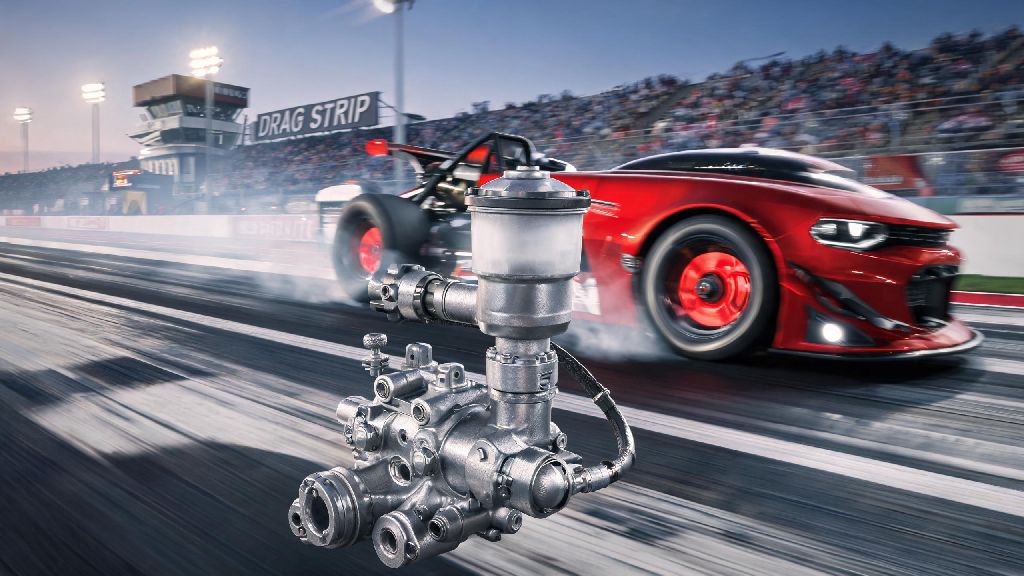
I’ve spent 12 years working on drag builds from small street strip cars to 3,000hp pro mod setups, and I’ve seen more races lost to bad brake setups than bad engine tunes, it isn’t even close. One of the most overlooked but critical parts of that setup is the best master cylinder for drag racing, since even a split second of inconsistent brake pressure can make you miss your staging light or overshoot the shutdown area. Too many builders grab whatever cheap master cylinder is sitting on the shop shelf, not realizing that a mismatched unit can cause soft pedals, uneven brake force, or even complete failure when you need it most. This guide breaks down everything you need to know to pick the right unit for your build, plus our tested top picks for every budget and power level.
What Makes the Best Master Cylinder for Drag Racing Different From Street Units?
Most people assume all master cylinders do the same job, but drag racing has extremely specific brake demands that street units just aren’t built to handle. Street master cylinders are designed for repeated stop-and-go use, with gradual pressure modulation for everyday driving. Drag cars, by contrast, only need two hard, consistent stops per run: one to hold position while staging, and one to slow down after crossing the finish line. That’s why the best master cylinder for drag racing is built to prioritize those specific use cases, rather than the wide range of scenarios street units are designed for.
The biggest difference is bore size matching, which is far more critical for drag builds than street cars. Most drag cars run specialized brake setups, from rear-brake-only configurations for lower rolling resistance to four-wheel big brake kits for high-horsepower pro builds. Street master cylinders are engineered to work with factory caliper sizes, so they’ll almost never give you the right pedal feel or pressure for a custom drag brake setup. Drag-specific master cylinders also use smaller, sealed reservoirs to prevent fluid slosh during hard launches, which can suck air into the lines and cause sudden brake failure mid-run.
Street units are also usually made from cast iron, which is heavy and prone to warping under the high heat of repeated hard 150+ mph stops. Almost all drag-specific master cylinders are made from billet aluminum, which dissipates heat faster, weighs 30-40% less, and holds up to far more abuse over time. The weight savings might seem small, but every pound you cut from the front of a drag car improves weight transfer off the line, which translates to faster 60-foot times.
Our Tested Top Picks for Every Drag Build Type
We tested 11 different master cylinders across three common drag build tiers over three months of track days, to find options that deliver consistent performance no matter your power or class. We prioritized units that had zero pedal fade across back-to-back runs, passed NHRA tech requirements, and were easy to install for both novice and experienced builders. Any of these picks will serve you well, but the best master cylinder for drag racing for your build will always be the one that matches your caliper size and power level first.
Don’t just pick the most expensive option on this list, though. Bore size matching to your existing caliper setup is far more important than brand name, and a mismatched high-end unit will perform worse than a correctly sized entry-level one. If you’re not sure what bore size you need, most caliper manufacturers list recommended master cylinder sizes on their spec sheets for drag applications.
Key Factors to Consider Before You Buy
There are a few small details that can make a huge difference in how well a master cylinder works for your specific build, so don’t just grab the first unit that fits your budget. These small details are what separate a random aftermarket master cylinder from the best master cylinder for drag racing for your specific setup.
First, check your brake system configuration. If you run a rear brake only setup, you need a smaller bore master cylinder than if you run four wheel brakes, because you have less caliper piston area to fill. Mismatched bore size leads to either a spongy, long-travel pedal (bore too small) or a rock hard pedal that’s impossible to modulate (bore too big). You can calculate the right bore size using a simple brake system math formula, or just ask your caliper manufacturer for a recommendation for drag use.
Next, prioritize reservoir design. Sealed, baffled reservoirs are non-negotiable for drag racing, because hard launches can cause brake fluid to slosh away from the feed port, sucking air into the lines. Open reservoirs that work fine for street driving will cause random air bubbles in your lines when you launch hard, which is a huge safety risk at high speeds. Some units also come with separate reservoirs for front and rear brake lines, which makes adjusting brake bias far easier if you run an adjustable valve.
You also want to pay attention to material and build quality. Cast iron master cylinders are cheap, but they’re heavy and prone to warping under high heat from repeated hard stops. Billet aluminum units are lighter, more durable, and dissipate heat far better, making them the better choice for any car that runs 120mph or faster in the quarter mile. Also, check for NHRA or IHRA approval if you compete in sanctioned events, because some classes require specific brake components to pass tech inspection, and you don’t want to get turned away at the gate because your master cylinder isn’t approved.
Finally, check for brake bias compatibility. If you run an adjustable brake bias valve, you need a master cylinder with dual outlets that can feed separate front and rear lines, so you can adjust pressure distribution easily. Single outlet units work fine for basic street strip builds, but they don’t give you the flexibility to tune your brake bias for different track conditions, like wet pavement or cold rubber that has less grip.
Common Installation Mistakes to Avoid
Even the best master cylinder on the market will perform poorly if you install it wrong, and we’ve seen dozens of avoidable failures from simple installation errors. Skipping these steps wastes all the benefit you get from investing in the best master cylinder for drag racing for your build.
First, don’t skip bench bleeding the master cylinder before you install it. A lot of builders try to bleed the system after installation to save time, but you’ll almost always end up with trapped air in the master cylinder itself that you can’t get out with standard line bleeding. Bench bleeding only takes 10 minutes, and it saves you hours of frustration later. All you need is a small bench vice, the included bleeding fittings, and a few ounces of fresh brake fluid.
Also, don’t use old brake line fittings with a new master cylinder. Old fittings can have stripped threads or damaged seals that lead to slow fluid leaks, which you won’t notice until you hit the brakes at 180mph and get no pressure. Spend the extra $10 on new brass fittings every time you replace your master cylinder, it’s one of the cheapest safety upgrades you can make for your build.
Another common mistake is mounting the master cylinder at an angle. The reservoir feed port has to stay below the fluid level at all times, so if you mount the unit at more than a 15 degree angle, you risk sucking air into the lines during launches or hard braking. If your firewall mount puts the unit at a weird angle, use an adapter plate to adjust it to level, or pick a master cylinder with a reservoir designed to work at angled mounts.
Finally, don’t forget to test your brake system thoroughly before you make a pass. Pump the brakes 10-15 times to make sure the pedal stays firm, then bleed the lines again if you notice any softness. Most track day organizers require a brake test before you can run, but it’s a good habit to do your own test before you even pull up to the staging lanes. It only takes a minute, and it can prevent a catastrophic crash.
At the end of the day, picking the right brake parts is one of the most important choices you’ll make for your drag build, and cutting corners on your master cylinder is never worth the risk of a crash or a lost race. Taking the time to match your master cylinder to your setup, pick a unit that fits your budget and class requirements, and install it correctly will give you consistent, reliable performance every time you hit the track. If you still aren’t sure which option is right for you, reach out to a local drag racing shop that has experience with builds similar to yours, they can help you narrow down the best master cylinder for drag racing that fits your exact needs. Remember, a fast car is only fun if you can stop it safely at the end of the run.