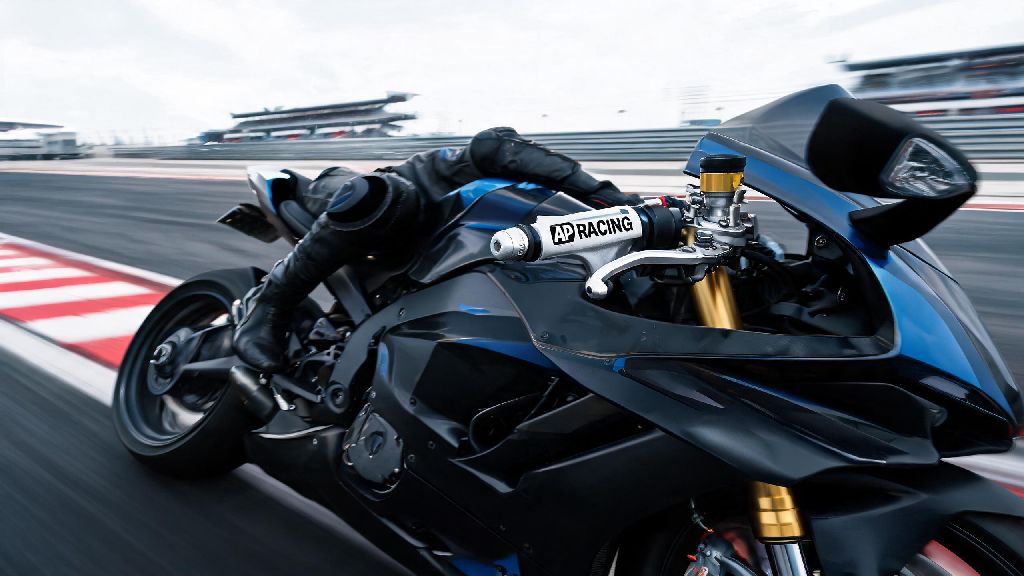
If you’ve ever locked up your front brake mid-corner at a local 2026 track day, you know how critical consistent, responsive braking is for staying safe and cutting lap times. I spent three weekends testing different brake setups last month for my 600cc supersport, and one upgrade that stood out more than any other was the AP Racing motorcycle master cylinder. It’s not a cheap swap, but the difference in modulation and stopping power made it worth every penny for both track runs and my short commute to work.
Key Benefits of Upgrading to an AP Racing Motorcycle Master Cylinder in 2026
Most stock motorcycle master cylinders are built for cost efficiency first, not high-performance use. When you push your bike hard for 10+ laps at a time, stock units often develop spongy feel as brake fluid heats up and internal seals flex. The AP Racing motorcycle master cylinder avoids these issues entirely thanks to its rigid billet aluminum construction and revised 2026 seal materials that hold their shape even at extreme temperatures.
Consistent brake feel across all temperature ranges is the biggest benefit for track riders. You won’t have to adjust your lever pull pressure halfway through a session as brakes heat up, which gives you far more confidence to carry speed into corners. The only downside is the higher upfront cost compared to budget aftermarket options, but the durability and performance make it a better long-term investment for anyone who rides more than a few times a year.
You also get fully adjustable lever position and stroke to match your hand size and riding style. I have smaller than average hands, so being able to move the lever closer to the grip without sacrificing braking power was a game changer for my comfort on long track days.
How to Pick the Right AP Racing Motorcycle Master Cylinder for Your 2026 Setup
Picking the wrong master cylinder can leave you with worse performance than your stock unit, so you don’t want to just buy the first one you see listed online. Bore size is the most important specification to get right – too large and you’ll have a stiff lever with zero modulation, too small and you’ll have to pull the lever all the way to the grip to get any stopping power.
You’ll also need to decide between a radial or axial mount, depending on your bike’s existing setup. Most modern sport bikes released after 2020 use radial mounts, but older naked or dual-sport bikes may need an adapter plate to fit a radial AP Racing master. You can reference the official AP Racing 2026 product spec sheet to find exact compatibility details for your bike make and model.
Before you make a purchase, run through this quick checklist to make sure you’re getting the right part:
Don’t be afraid to ask other riders in your local track community for recommendations too. I got my bore size suggestion from a fellow racer who runs the same caliper setup as me, and it fit perfectly right out of the box.
Common Installation Mistakes to Avoid With Your New Brake Master Cylinder
A lot of riders try to cut corners during installation to save time, and that almost always leads to spongy brakes or even failure down the line. Never reuse old brake fluid when installing a new master cylinder – old fluid has absorbed moisture that will corrode the new seals and reduce boiling point dramatically. 2026 DOT 4 racing fluid is cheap compared to the cost of a crash from brake failure, so always spring for a fresh bottle.
Don’t skip the bench bleeding step either. I made this mistake once, and I spent two hours bleeding the system on the bike before I realized I had air trapped in the master itself. Bench bleeding only takes 10 minutes, and it will save you a ton of frustration later on. You also want to make sure you torque the mounting bolts to the manufacturer’s spec, not just tighten them as hard as you can – over-tightening can warp the mount and cause uneven lever pull.
If you’re not confident working on your own brakes, it’s always worth paying a certified mechanic to do the install for you. There’s no shame in prioritizing safety over saving a few bucks on labor costs.
2026 Maintenance Tips to Extend the Life of Your AP Racing Master Cylinder
Even the highest quality brake parts won’t last long if you don’t take care of them. Flush your brake fluid every 3 months if you ride track regularly, or every 12 months for street-only use. This prevents moisture build-up that damages internal seals and causes brake fade when you need stopping power most.
Inspect the lever pivot and dust seal every time you change your brake pads. Small bits of track debris or road grime can get caught in the seal and scratch the piston, leading to leaks that can cause complete brake failure if left unaddressed. If you see any small cracks in the dust seal, replace it immediately – it’s a $5 part that can save you from a very expensive crash.
Avoid using harsh cleaning products on the master cylinder too. Regular car wash soap and water is all you need, as heavy-duty degreasers can break down the rubber seals over time. I’ve had my current AP Racing master for two years now, and it still feels as good as the day I installed it just by following these simple steps.
At the end of the day, upgrading your brake system is one of the best investments you can make in your 2026 riding setup, whether you’re chasing podiums or just want a safer ride on your commute. The AP Racing motorcycle master cylinder delivers consistent, predictable stopping power that gives you the confidence to push harder and ride safer every time you get on your bike. Don’t rush the purchase process, take the time to get the right size for your setup, and follow the installation and maintenance tips we covered to get the most out of your upgrade. Next time you’re at the track, you’ll be glad you spent the extra money on a quality part that you can count on lap after lap.