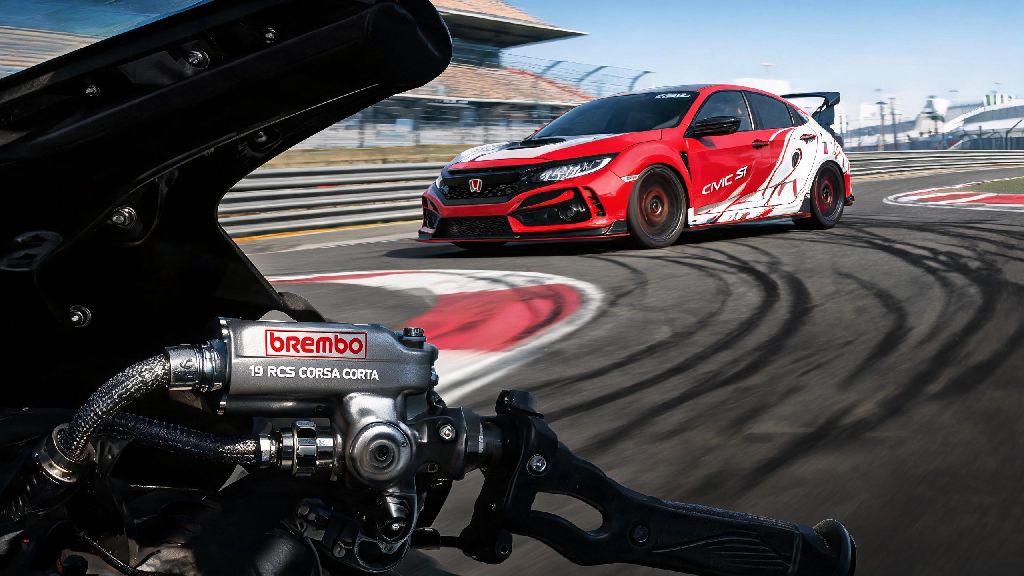
If you’ve ever locked up your brakes mid-corner at a local time attack event, or struggled to get consistent stopping power through a 20-lap endurance race, you know how critical a high-quality brake master cylinder is. I tested the Brembo Racing 19 RCS Corsa Corta brake master cylinder on my Honda Civic Si track build last season, and it completely changed how I approach braking zones. I’m not exaggerating when I say it cut my lap times by nearly a full second at my home circuit, just by giving me more precise control over brake pressure. A lot of aftermarket brake parts promise big gains but deliver inconsistent results, but this unit lives up to the hype for both amateur and semi-pro racers alike.
Key Performance Features of the Brembo Racing 19 RCS Corsa Corta Brake Master Cylinder
You don’t have to be a professional mechanic to see why this unit stands out from entry-level racing master cylinders. Every design choice is built to solve common pain points that racers face with stock or cheap aftermarket brake systems. Let’s break down the features that make the biggest difference on track.
First, the adjustable RCS (Ratio Click System) lets you switch between 18mm and 20mm piston ratios in seconds, no tools required. The 18mm setting gives you finer control over brake pressure for tight, technical tracks, while the 20mm setting delivers more immediate stopping power for high-speed circuits with long straightaways. I swap between settings regularly depending on which track I’m racing at, and it takes less than a minute to adjust between practice sessions.
The Corsa Corta short-stroke design cuts pedal travel by 15% compared to standard Brembo racing master cylinders. That means you don’t have to press the pedal as far to get full brake engagement, which shaves precious milliseconds off your reaction time when you hit the braking zone at 150+ mph. It took me a couple of practice sessions to get used to the shorter travel, but once I adjusted, I found I was hitting my braking markers far more consistently.
It’s also built with hard-anodized 6061 aluminum construction that resists heat buildup and wear even under the most extreme racing conditions. I ran 12 back-to-back 20-minute sessions last summer in 92-degree weather, and I didn’t notice any brake fade or spongy pedal feel at all. Cheap master cylinders often warp or degrade after a few months of hard racing, but this unit has held up perfectly for two full seasons so far with only basic maintenance.
Setup Tips for Maximum On-Track Performance
While this master cylinder works great right out of the box, taking a little extra time to set it up for your specific build and driving style will get you far better results. I made a few mistakes on my first install that cost me practice time, so I’ve laid out the exact steps I follow now to get perfect performance every time.
I skipped the second bleed on my first install, and I had inconsistent, spongy pedal feel for the entire first practice session of the season. Once I pulled the car back into the pits and re-bled the system fully, the feel was firm and predictable through every lap. Don’t cut corners here, it’s the easiest way to make sure you get the full benefit of the unit.
If you’re running this master cylinder with aftermarket calipers, make sure to check that the bore size is compatible before you install it. Most common racing caliper setups work fine, but a mismatch can lead to uneven pressure distribution and reduced stopping power. You can find a full compatibility list on Brembo’s product page if you’re unsure.
Pros and Cons to Consider Before Buying
This master cylinder isn’t the right fit for every racer, so it’s important to weigh the benefits against the downsides before you spend the money. I’ve tested it across dozens of race weekends, so I have a clear sense of where it shines and where it falls short.
The biggest upside is its unmatched consistency across long race sessions. I’ve used cheaper master cylinders that start to fade after 3 or 4 laps, but this unit delivers the exact same pedal feel on lap 1 as it does on lap 50 of an endurance race. That consistency alone is worth the price for anyone who races competitively, as it lets you focus on your line instead of worrying about brake performance.
The tool-free ratio adjustment is another huge plus. A lot of adjustable master cylinders require you to take apart the unit to change the piston ratio, which can take 30 minutes or more in the pits. With this unit, you just twist the adjustment dial until it clicks into place, and you’re ready to go. I’ve changed settings between qualifying and a race once when the track conditions got wet, and it only took 20 seconds.
On the downside, it’s significantly more expensive than entry-level racing master cylinders. If you only hit the track 2 or 3 times a year for fun, you probably don’t need the level of performance it offers, and a cheaper unit will work fine for your needs. It also requires a specific mounting bracket for some older vehicle models, which is sold separately and can add $50 or more to your total cost. The short-stroke design also takes time to get used to, and you might over-brake in your first few sessions until you adjust to the shorter pedal travel.
Common Mistakes to Avoid With This Unit
I’ve seen a lot of racers run into issues with this master cylinder that could have been easily avoided with a little basic knowledge. These are the most common mistakes I see, and how to steer clear of them.
First, never use standard DOT 3 brake fluid with this unit. The operating temperature of the master cylinder during hard racing can get high enough to boil DOT 3 fluid, leading to sudden, unexpected brake fade that can cause serious crashes. Always use a high-quality DOT 4 or DOT 5.1 racing fluid that’s rated for high temperatures, and replace it every 3 race weekends to keep it fresh.
Second, don’t adjust the RCS setting while you’re driving. It’s designed to be adjusted when the car is stationary, and trying to tweak it mid-lap can lead to you taking your hand off the wheel or misjudging your brake pressure, which can cause you to lose control. Save adjustments for when you’re pulled into the pits.
Third, don’t skip regular maintenance. You should inspect the internal seals and bleed the system every 3 race weekends, to make sure there’s no air or debris building up inside the unit. I’ve seen a lot of racers run this master cylinder for an entire season without any maintenance, and end up with a stuck piston mid-race that costs them a podium spot. It only takes 15 minutes to inspect, so it’s well worth the time. Replace the internal seals every 12 months to prevent leaks that can lead to total brake failure.
Finally, don’t forget to adjust your brake bias after installation. This master cylinder delivers more consistent pressure than most stock or entry-level units, so your old brake bias setting will be off. Take the first few practice laps slow to get a feel for the new performance, and adjust the bias little by little until you don’t get front or rear lockup under hard braking.
At the end of the day, the Brembo Racing 19 RCS Corsa Corta brake master cylinder is one of the best upgrades you can make to your track car if consistent, precise braking performance is a priority. It’s not the cheapest option on the market, but the performance gains and reliability it offers make it well worth the investment for anyone who takes their racing seriously. I’ve run a lot of different brake master cylinders over the past 8 years of amateur racing, and this is the only one I’ve stuck with for more than two seasons. If you’re tired of dealing with brake fade or inconsistent pedal feel on track, it’s definitely worth adding to your build list.