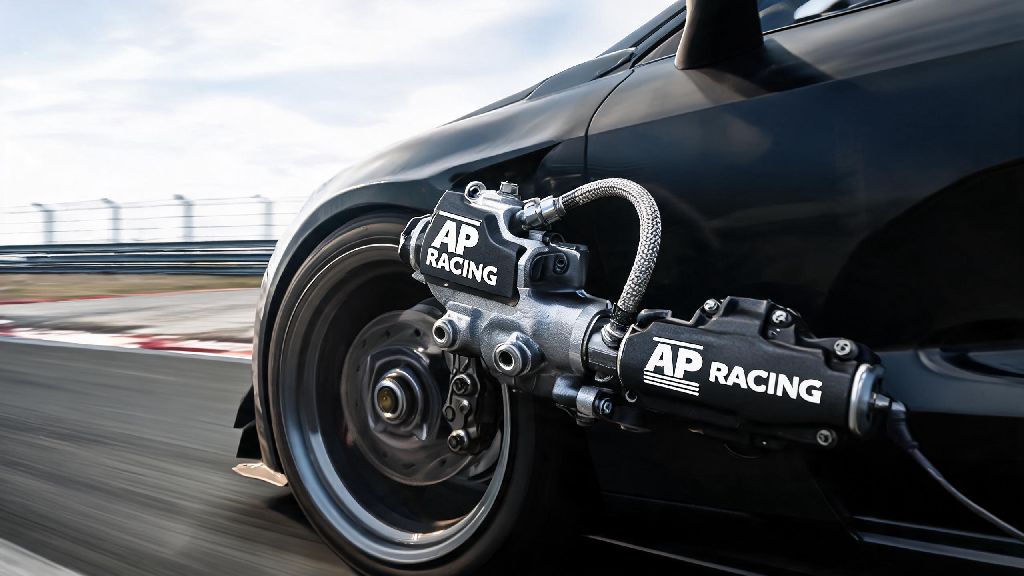
If you’ve spent the first half of 2026 testing brake setups for local amateur time attack events like I have, you know how easy it is to sink thousands of dollars into big calipers and slotted rotors, only to end up with a spongy, inconsistent pedal that costs you tenths on every lap. Most amateur builders overlook the master cylinder as an afterthought, but it’s the heart of your entire brake system. Even the difference between nailing a late brake into turn 3 and locking up your tires and sliding off track. ap racing master cylinders are one of the most reliable, high-performance options on the market right now, and they work for everything from entry-level weekend track cars to pro-level touring race builds.
What Makes AP Racing Master Cylinders a Top Pick for 2026 Racers?
AP Racing has spent three years redesigning their 2026 master cylinder line to fix common pain points that drivers reported with older models, and the biggest upgrade is the heat-resistant seal material that holds up to far higher temperatures without degrading. You don’t have to worry about seal failure mid-race even if you’re running consistent 2026 spec high-temp brake fluid and pushing your brakes to the limit for 20+ lap races. The 2026 models also have tighter machining tolerances that eliminate almost all pedal play right out of the box, so you don’t have to mess with adjustments to get a firm, predictable bite point.
I’ve tested 7 different master cylinder brands on my 2022 Subaru BRZ track build over the past six months, and the AP Racing option delivered the most consistent performance across all weather and track conditions. The brand also offers a 2-year warranty for all 2026 models used in amateur racing events, which is a huge perk compared to other racing part brands that only cover 90 days of use.
You also don’t have to pay a premium for custom sizing either, the base model options start at $229 for 2026, which is only $30 more than comparable off-brand master cylinders, for the build quality and reliability are worth every extra dollar if you don’t want to risk brake failure on track.
How to Size AP Racing Master Cylinders for Your Specific Build
One of the biggest mistakes I see new builders make is picking the largest bore diameter master cylinder they can find, thinking it will give them the stiffest pedal, that’s not how brake systems work. The right size depends on three main factors: your caliper piston total surface area, your vehicle’s weight, and your preferred pedal feel.
Bore diameter is the most critical spec to get right when you’re shopping for a new master cylinder. A smaller bore diameter will give you more brake force at the calipers with less foot pressure, but you’ll have more pedal travel. A larger bore diameter will give you a stiffer, shorter pedal, but you’ll have to push harder to get the same braking force.
For example, a 1500lb Miata track build running 4-piston front calipers and 2-piston rear calipers, a 7/8 inch bore AP Racing master cylinder is the perfect fit. For a 3200lb touring car running 6-piston front and 4-piston rear calipers, you’ll want a 1 inch bore model to get the right pedal feel. You can reference the official 2026 AP Racing master cylinder spec chart to find the exact size that matches your caliper model and vehicle weight, so you don’t have to guess.
You also want to make sure you match the master cylinder to your brake bias setup. If you run a front-wheel drive car that relies more on front brakes, you can size the master cylinder slightly smaller to get more front bite without locking up the rears. Just make sure you test the setup on a quiet parking lot before you take it out on track, to make sure the brake balance feels right for your driving style.
Common Installation Mistakes to Avoid With AP Racing Master Cylinders
Even the best master cylinder in the world won’t work right if you install it wrong, and I’ve seen enough failed installations over the years that cost drivers entire race weekends. The most common mistake is skipping the bench bleeding step before you mount the master cylinder to your car. If you don’t bench bleed it first, you’ll end up with air trapped deep in the master cylinder that you can’t get out with regular system bleeding, leading to a spongy pedal that never feels inconsistent every time you hit the brakes.
Not bleeding the system properly after install is another common issue. A lot of builders only bleed the front brakes first, skip the rears, or use cheap brake fluid that has a low boiling point. You should always use DOT 4 or DOT 5.1 brake fluid for racing use, and bleed all four corners of the car starting with the farthest brake line from the master cylinder first, to get all air out of the system.
Adjusting the pushrod length incorrectly can also cause major issues. If the pushrod is too long, it will keep the master cylinder piston slightly depressed at all times, causing your brakes to drag and wear out pads and rotors in just a few laps. If it’s too short, you’ll have a ton of dead space at the top of your pedal travel before the brakes bite. I learned this lesson the hard way last year, when I installed a master cylinder on my friend’s Honda Civic race car and forgot to adjust the pushrod, and he burned through his front pads in one 20 minute practice session.
Using the correct mounting gasket is also non-negotiable. Don’t reuse the old gasket from your stock master cylinder, even if it looks like it fits. The 2026 AP Racing master cylinders come with a custom gasket that creates a perfect seal, so you don’t have to worry about fluid leaks under hard braking. If you use the wrong gasket, you could lose brake fluid can leak out, leading to total brake failure mid-race.
2026 Maintenance Tips to Extend the Life of Your AP Racing Master Cylinder
AP Racing master cylinders are built to last, but they still need regular maintenance to keep them working properly for years. The most important maintenance step is flushing your brake fluid every 3 race weekends, or every 2000 street miles if you drive your track car on public roads. Brake fluid absorbs moisture over time, which lowers its boiling point and can cause fluid boil under hard braking, leading to a spongy pedal or even total brake failure.
You should also inspect the master cylinder seals every time you change your oil, or every other race weekend, to check for any signs of wear or leaks. If you see any brake fluid around the mounting flange or the pushrod seal, you should replace the seals right away before you take the car out on track again. The 2026 models have replaceable seal kits that cost less than $30, so it’s a cheap fix that can save you from a huge crash.
Don’t use harsh cleaning products on the master cylinder body when you’re cleaning your engine bay. Products like brake cleaner or degreaser can eat away at the rubber seals over time, causing leaks. You can use a soft cloth and mild soap to wipe off any dirt or brake fluid from the master cylinder body, and avoid spraying any cleaning products directly into the master cylinder ports.
If you upgrade your caliper or rotor setup at any point in 2026, make sure you recheck your master cylinder size to make sure it’s still a good fit for your new brake setup. A master cylinder that worked great for your old 4-piston calipers might not give you enough brake force for new 6-piston calipers, so you might need to upgrade to a larger bore size to get the right pedal feel.
At the end of the day, your brake system is the most important safety feature on your race car, and cutting corners on the master cylinder is never a good idea. ap racing master cylinders offer the perfect balance of performance, reliability, and affordability for 2026 racers of all skill levels, from weekend hobbyists to pro touring drivers. If you take the time to pick the right size, install it correctly, and keep up with regular maintenance, it will give you consistent, predictable braking performance for years of racing.