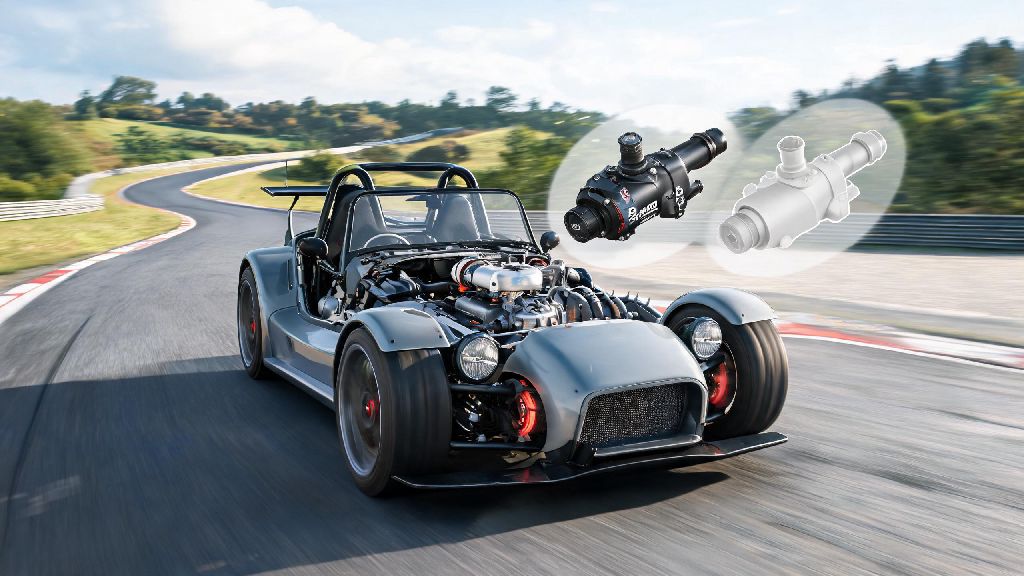
If you’ve ever pushed your Westfield hard on a twisty B-road or timed track lap, you know the factory brake setup often leaves a lot to be desired. Spongy pedals, fade after a few hard stops, and inconsistent bite can turn a fun drive into a stressful one, fast. Upgrading to an AP Racing master cylinder for Westfield builds is one of the most impactful modifications you can make for consistent, reliable stopping power. I’ve done this swap on three different Westfield SE and Megabuild models over the past 7 years, so I’m breaking down everything you need to know to get it right the first time, no expensive mechanic visits required.
Key Benefits of Fitting an AP Racing Master Cylinder for Westfield Cars
The stock master cylinder fitted to most Westfield models is built for low-stress road use, with seals and internal components that aren’t designed to handle the heat and pressure generated by repeated hard braking on track. Fitting an AP Racing unit fixes all these pain points, with three standout benefits you’ll notice immediately.
You get consistent pedal feel that doesn’t change even after 10 hard laps, so you always know exactly how much pressure to apply to slow down exactly when you want. You also get reduced brake fade under heavy use thanks to the unit’s higher pressure tolerance and high-quality internal seals that hold up to extreme heat. The third big benefit is compatibility with larger brake caliper upgrades if you plan to expand your brake setup down the line.
Even if you only drive your Westfield on public roads, the firmer, more predictable pedal makes every trip more confidence-inspiring, especially in wet or slippery conditions. You won’t have to second-guess if your brakes will hold up when a car pulls out in front of you, which makes the upgrade worth it for road use alone.
How to Pick the Right AP Racing Master Cylinder Size for Your Build
The biggest mistake most people make with this upgrade is picking the wrong bore size for their existing brake setup. Bore size directly impacts pedal feel and pressure output, so you need to match it to your caliper setup, not just buy the largest unit you can find.
For most Westfields with standard 4-piston front calipers and factory rear drums or single-piston rear calipers, a 0.625” bore AP Racing master cylinder is the perfect fit. If you’ve upgraded to 6-piston front calipers and multi-piston rear calipers for full track use, go for a 0.7” bore unit. Don’t go too big on bore size – I made this mistake with my first Westfield SE swap, buying a 0.75” bore unit thinking bigger would be better. The pedal ended up so stiff I could barely lock up the wheels even under full pressure, and I had to waste money swapping it for the smaller 0.625” unit a week later.
Also, double check that the unit you pick is designed for right-hand drive mounting if you have a UK-spec Westfield, as some left-hand drive specific units won’t fit the standard bulkhead cutout. Most AP Racing units sold in the UK are already set up for right-hand drive, but it’s always worth confirming before you buy.
Step-by-Step Fitting Tips for a Smooth Installation
Fitting an AP Racing master cylinder doesn’t require specialist tools, but there are a few pre-install checks you need to do to avoid headaches later:
Once you’ve done those checks, fitting the unit takes around 2 hours for a home mechanic. You just need to remove the old master cylinder, bolt the new one in place, connect the brake lines, and bleed the system. Always bleed the full brake system twice after installation to get rid of any remaining air bubbles. Start with the rear calipers farthest from the master cylinder, then work your way to the front ones to make sure you get all air out.
If you’re fitting a remote reservoir model, make sure you mount the reservoir at least 15cm above the master cylinder to avoid air being pulled into the system when you brake hard. After installation, test the pedal feel at low speed in a safe empty car park first, before taking the car on public roads or track. If you still have a slightly spongy pedal after two full bleeds, try leaving the bleed nipples open overnight with catch bottles attached – gravity bleeding will get rid of any last tiny air bubbles that pressure bleeding misses.
Common Mistakes to Avoid With Your New Brake Setup
Even if you fit the unit perfectly, there are a few common mistakes that can ruin your upgrade. First, don’t skip the bedding-in process. You need to do 10-15 hard stops from 50mph to 20mph, letting the brakes cool for 30 seconds between each stop, to seat the new seals and get consistent bite. If you skip this step, you’ll get inconsistent pedal feel for the first few hundred miles of use.
Never use old brake fluid when installing a new master cylinder – old fluid has absorbed moisture which lowers its boiling point, leading to faster fade even with the upgraded unit. Use a high-quality DOT 4 or DOT 5.1 fluid rated for track use if you plan to push your car hard. It only costs a few extra pounds, and it will make a huge difference in performance during long track sessions.
Also, don’t ignore small leaks. Even a tiny drop of fluid around the connections can turn into a major failure mid-lap, so check all connections twice after fitting, and recheck them after the first 100 miles of driving. I’ve also seen a lot of new Westfield owners throw thousands at big brake kits without upgrading the master cylinder first, and they end up disappointed because the stock unit can’t deliver enough pressure to make the big calipers work properly. This upgrade should always be the first step in any brake system overhaul for performance use.
At the end of the day, upgrading your brake system is the best modification you can make for both performance and safety, and swapping to an AP Racing master cylinder for Westfield builds delivers more value for money than almost any other part you can buy. You don’t need to be a professional mechanic to fit it, as long as you follow the steps we’ve covered and avoid the common mistakes we highlighted. Take your time with the installation, test thoroughly before you push the car hard, and you’ll get years of consistent, confidence-inspiring braking performance out of your build.