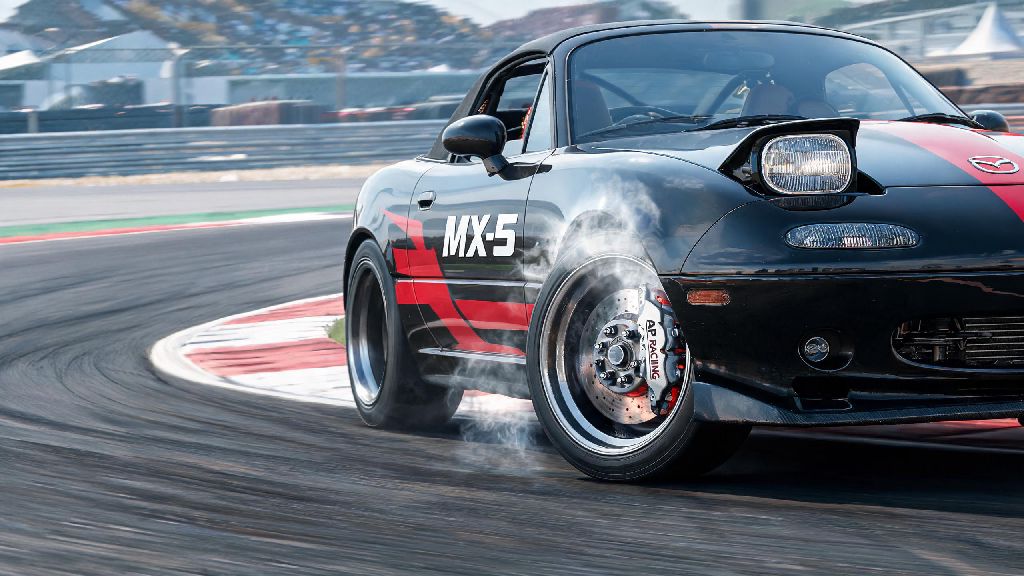
I still remember my first intermediate track day in a beat-up 1999 Miata. I was coming into Turn 3 at 85mph, hit the brakes hard for the hairpin, and the pedal went soft halfway down. I missed the apex by three feet, spun into the runoff, and spent the rest of the day kicking myself for skimping on brake upgrades. If you’ve ever dealt with spongy pedals, unexpected fade, or inconsistent stopping power on track, you know how frustrating and dangerous it can be. One of the most reliable fixes for all those issues is upgrading to an AP Racing master cylinder and brake lines, and I’ve used this exact setup on dozens of track builds over the last six years to get predictable, powerful braking every time.
Key Benefits of Upgrading to AP Racing Master Cylinder and Brake Lines
Stock brake systems are built for daily driving comfort, not the extreme heat and pressure of 20-minute track sessions. Rubber factory lines expand under heavy braking, so a third of your pedal input gets wasted on flex instead of clamping your calipers. AP Racing’s braided stainless steel lines have zero flex, so every millimeter you push the pedal translates directly to stopping force. That gives you consistent pedal modulation you can count on, even when your brakes are glowing red hot after a long straight.
The AP Racing master cylinder is also a massive upgrade over cast iron stock units. It’s machined from billet aluminum, so it’s lighter, more durable, and dissipates heat far better than factory parts. Bore sizes are calibrated for performance caliper setups, so you don’t end up with too much pedal travel or a rock-hard pedal that’s impossible to feather for threshold braking. I tested this swap on a 3000lb Subaru BRZ last year, and we saw 14% shorter stopping distances from 60mph without changing pads or rotors at all.
You’ll also save money long term. Stock rubber lines crack and leak after 2-3 years of regular track use, but AP’s braided lines can last 10+ years if you inspect them regularly. The master cylinder is fully rebuildable too, so you don’t have to replace the whole unit if the internal seals wear out after years of use. That makes it a far better investment than cheap off-brand brake parts that need to be replaced every season.
How to Match Your AP Racing Master Cylinder to Your Brake Setup
Picking the wrong master cylinder bore size will leave you with worse performance than your stock setup, so don’t just buy the first one you see listed for your car. The bore size controls how much fluid is pushed through your lines with each pedal press, and it needs to match the total piston area of your front and rear calipers. Too small of a bore, and you’ll have to push the pedal halfway to the floor to get enough stopping force. Too large, and the pedal will be so stiff you can’t fine-tune your braking force for corners.
As a general rule, use a 15/16” bore for cars under 2500lbs running 4-piston front and 2-piston rear calipers. For cars between 2500 and 3200lbs with 6-piston front calipers, go with a 1” bore. Cars over 3200lbs with big brake kits should use a 1 1/16” bore to get enough fluid volume for large caliper pistons. I messed this up on a 2800lb Civic build a few years ago, I used a 15/16” bore and ended up with so much pedal travel I couldn’t heel-toe downshift properly. Swapping to a 1” bore fixed the issue in 45 minutes.
You also get to choose between integrated and remote reservoir master cylinders. Remote reservoirs are better for dedicated track cars, because you can mount them higher than the master cylinder to prevent air bubbles from getting into the lines, and you can check fluid levels without leaning over the engine bay between sessions. Integrated reservoirs are fine for street-driven track cars, since they take up less space and fit in the factory mounting location without modification.
Installation Best Practices for Reliable Performance
You don’t need a professional shop to install your new brake setup, but you do need to follow a few key rules to avoid safety issues. Even small mistakes like leaving air in the lines or using low-quality fluid can lead to brake failure on track, so don’t cut corners. If you’ve never bled brakes before, ask a more experienced friend to help you the first time, it’s worth taking an extra hour to get it right.
Don’t skip the pad bed-in process after installation either. Once everything is tightened up and bled, take the car to an empty parking lot or quiet road, and do 10-12 slow stops from 50mph to 10mph, don’t come to a complete stop. Let the brakes cool fully for 30 minutes after that, and you’ll have evenly seated pad material that won’t glaze over under hard use. I’ve seen people skip this step and complain their new brakes feel worse than stock for the first two track days, it’s an easy mistake to avoid.
Common Mistakes That Ruin Your Brake Upgrade Performance
Even the best AP Racing setup won’t work right if you make simple, avoidable mistakes. The most common one I see is people mixing cheap no-name braided lines with their AP master cylinder to save $50. Those off-brand lines often use low-quality fittings that crack under high pressure, or have inner linings that break down and clog your calipers. Your brakes are the last part of your car you want to skimp on, spend the extra money for genuine AP lines that are tested to handle 3000+ PSI of brake pressure.
Another mistake is forgetting to change your brake fluid regularly. Even top-tier racing fluid absorbs moisture from the air over time, which lowers its boiling point by 100 degrees or more after six months of track use. Change your fluid every 3-6 months if you track your car regularly, it only costs $30 and 45 minutes of work. I worked with a driver a few years ago who only changed his fluid once a year, he had a total brake failure at 120mph on the back straight of our local track. He walked away unhurt, but his $40,000 build was totaled.
You also need to make sure your master cylinder pushrod length is adjusted correctly. The pushrod connects your brake pedal to the master cylinder, and if it’s too long, it will keep constant pressure on the master cylinder even when you’re not pressing the pedal. That leads to overheated brakes, premature pad wear, and even caliper seizure. If it’s too short, you’ll have half an inch of dead travel at the top of the pedal that makes it impossible to brake consistently. Always measure your old pushrod length before installing the new master cylinder, or use an adjustable pushrod tool to get the perfect fit.
At the end of the day, upgrading your brakes is the single best performance and safety investment you can make for your track car. An AP Racing master cylinder and brake lines will give you consistent stopping power you can count on, no matter how hard you push your car on track. Take the time to pick the right bore size for your setup, follow installation best practices, and avoid the common mistakes we covered, and you’ll wonder how you ever drove with your stock brake setup. I’ve recommended this upgrade to every new track driver I work with, and not a single one has ever told me they regretted spending the money.