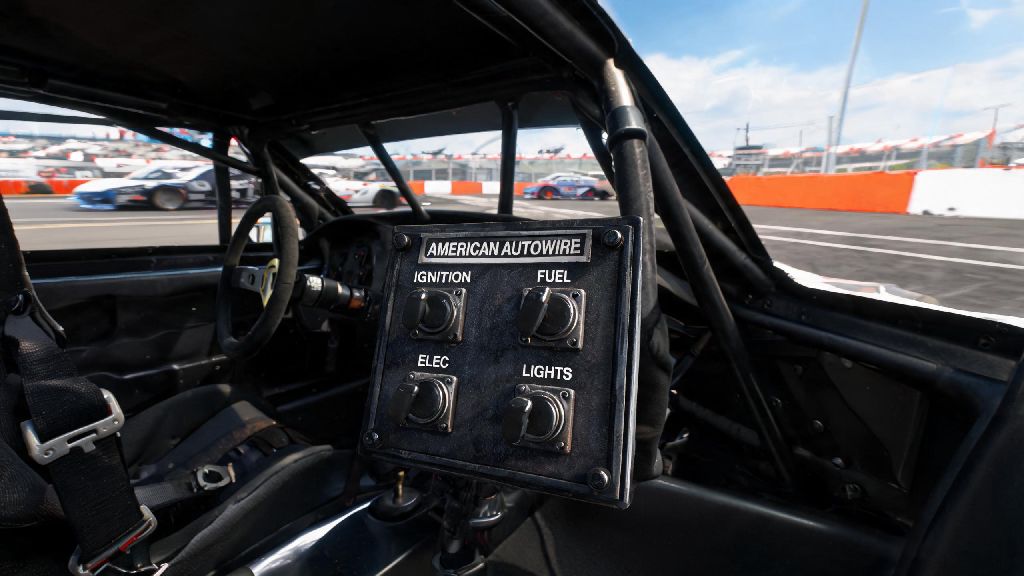
If you’ve ever spent weekends tweaking your track car or troubleshooting mid-race electrical failures that cost you a podium spot, you know how critical a reliable cutoff system is. American autowire racing master switches are one of the most trusted upgrades for both amateur weekend warriors and pro circuit teams looking to eliminate electrical risks and simplify trackside maintenance. I’ve installed three of these on my own amateur stock car builds over the last four years, so I’ve picked up plenty of practical insight into what makes them stand out from cheaper off-brand alternatives, and how to get the most out of your install without wasting time or money.
Key Features of American Autowire Racing Master Switches That Set Them Apart
It’s easy to grab the cheapest master switch you find online, but cutting costs on this component can lead to catastrophic issues on track. The first thing you’ll notice when you pick up an American Autowire unit is the solid, heavy build, designed to hold up to constant vibration, extreme temperature swings, and exposure to dust, fuel and track grime. All models come with silver-plated contact points that resist corrosion even after years of regular use, so you won’t deal with intermittent power loss mid-lap that can make you lose control or drop positions.
Unlike cheaper switches that are rated for 12V systems only, most American Autowire options work for both 12V and 16V race electrical setups, making them versatile if you upgrade your battery or alternator down the line. They also have a clearly marked on/off position with a positive lock mechanism, so you don’t risk accidentally bumping the switch and cutting power during a race. I once had a no-name switch flip off during a local autocross run when I hit a sharp bump, costing me a top 3 finish, so that lock feature is non-negotiable for me now.
Another small but useful feature is the color-coded terminal labeling, which takes the guesswork out of installation even if you don’t have much experience with automotive electrical work. You won’t have to spend hours cross-referencing wiring diagrams to make sure you’re connecting the right wires to the right posts.
Step-by-Step Installation Tips for Maximum Reliability
You don’t need a professional electrical engineer to install these switches, but cutting corners will lead to headaches later. First, pick the right mounting location: it needs to be easily reachable from the driver’s seat, but far enough from steering wheel controls that you won’t bump it during normal driving or hard cornering. Many drivers mount it on the center console near the shift lever, or on the dash just to the left of the steering wheel for easy access.
Always mount the switch on a solid, grounded metal panel to reduce vibration that could loosen connections over time. Avoid mounting it to plastic trim pieces, which will flex and can cause the switch to come loose after a few race weekends. Next, use the right gauge of wire for your build: if you’re running a high-output alternator and multiple high-draw accessories like cooling fans and data loggers, go for 4 gauge wire instead of the standard 6 gauge to avoid voltage drops that can hurt ignition performance.
Don’t skip the fuse between the battery and the switch, either—this adds an extra layer of protection if a short occurs somewhere in your electrical system. Oh, and add a small piece of heat shrink over the terminal connections after you tighten them down to keep dirt and moisture out, which prevents corrosion over time. Test the switch three times before you hit the track: flip it off and confirm all power cuts out, then flip it back on to make sure all systems boot up correctly.
Safety Benefits You Can’t Ignore for Track Use
The biggest reason teams upgrade to these switches is compliance with most racing sanctioning body rules. Almost every circuit, from NASCAR local series to amateur drag racing and time attack events, requires a clearly accessible master cutoff switch that disconnects all power to the car, including the alternator, in case of a crash. If your switch doesn’t meet sanctioning body standards, you’ll fail tech inspection and won’t be allowed to race at all.
American Autowire racing master switches are pre-certified to meet most sanctioning body requirements, so you won’t have to worry about failing tech inspection before an event. The safety benefits go far beyond passing inspection, though. If you’re in a crash, being able to cut all power immediately reduces the risk of electrical fires, which are one of the most dangerous post-crash hazards for drivers. Even a small spark near a leaking fuel line can lead to a life-threatening fire, so having easy access to a reliable cutoff switch is non-negotiable.
There are plenty of other everyday use cases for these switches too, including:
I keep a spare switch in my track bag for every event, just in case I notice any wear on the contacts during pre-race checks. It’s a $50 investment that can prevent major disasters on and off the track, so it’s worth keeping a backup handy.
Common Mistakes to Avoid When Using These Switches
Even the best part will underperform if you use it wrong, and I’ve made almost all of these mistakes myself so you don’t have to. First, don’t use the switch to cut power while the engine is running at high RPM. This can cause a voltage spike that damages your ECU or other sensitive electronic components, like your data logger or ignition system. Replacing an ECU can cost thousands of dollars, so this mistake is not worth making just to save a few seconds turning off your car after a lap.
Always idle the engine down to below 1,000 RPM before flipping the master switch off to avoid damaging expensive parts. Second, don’t skip regular maintenance: every 10 hours of track time, pop the hood and check the terminal connections to make sure they’re tight, and wipe off any dirt or fuel residue that has built up on the switch housing. Corroded or loose connections are the most common cause of master switch failure, so this quick check only takes a minute and can save you a DNF.
Third, don’t buy a used switch from an unknown seller. Even if it looks fine, you don’t know if it was involved in a crash or exposed to water that could have corroded the internal contacts. Stick to new, sealed units from authorized sellers to make sure you’re getting a genuine product that meets safety standards. Finally, don’t install the switch in a location that’s blocked by a roll cage or steering wheel when you’re strapped into the driver’s seat. Test reachability while you’re wearing your racing harness and gloves, to make sure you can flip it off quickly in an emergency.
Whether you’re building your first track car on a budget or upgrading a competitive pro circuit build, small choices like your electrical cutoff system make a huge difference in safety, reliability and race day performance. American autowire racing master switches are a cost-effective, trusted upgrade that checks every box for sanctioning body compliance, long-term durability and ease of use. Take the time to install it correctly and keep up with basic maintenance, and it will serve you well for hundreds of laps without issue. Next time you’re prepping for a race weekend, add a check of your master switch to your pre-event list—it only takes a minute, and it could save you from a costly DNF or worse.