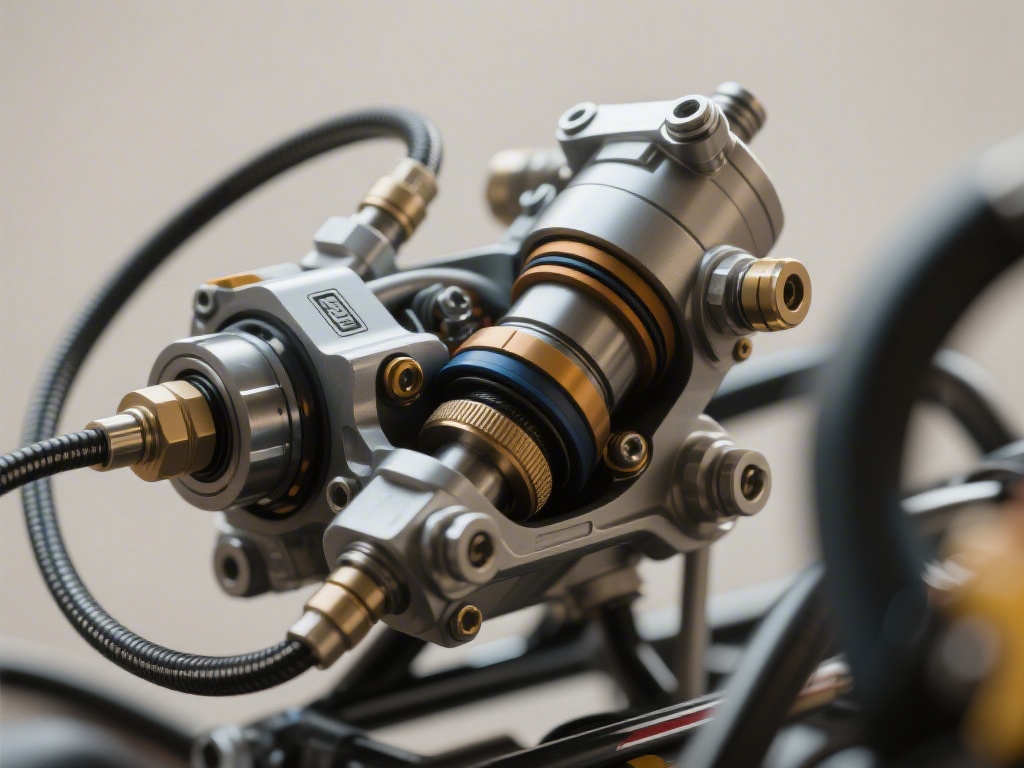
Mastering the Racing Kart Master Cylinder: Your Ultimate Guide
The racing kart master cylinder is a critical component that can significantly impact your kart's performance. Whether you're a seasoned racer or just starting out, understanding how to maintain and optimize your master cylinder is essential. In this comprehensive guide, we'll delve into the ins and outs of the master cylinder, providing you with the knowledge to keep your kart running smoothly and efficiently.
Understanding the Racing Kart Master Cylinder
The master cylinder is the heart of your kart's braking system. It converts the force applied to the brake pedal into hydraulic pressure, which then activates the brakes. A well-maintained master cylinder ensures consistent and reliable braking performance, which is crucial for staying ahead of the competition.
Key Components of the Master Cylinder
To effectively maintain your master cylinder, it's important to understand its key components:
- Seals: These prevent fluid leakage and maintain pressure.
- Piston: The piston moves within the cylinder, converting pedal force into hydraulic pressure.
- Reservoir: Holds the brake fluid and provides a space for fluid expansion.
- Fittings: Connect the master cylinder to the brake lines and calipers.
Maintenance Tips for the Master Cylinder
1. Regular Inspections: Regularly check for signs of fluid leakage, which can indicate worn-out seals or other issues.
2. Brake Fluid Quality: Ensure that your brake fluid is of high quality and within the manufacturer's specifications.
3. Cleaning: Keep the master cylinder and its components clean to prevent rust and corrosion.
4. Seal Replacement: Replace seals as recommended by the manufacturer to maintain optimal performance.
Optimizing Performance
1. Adjusting the Brakes: Properly adjusting the brakes ensures even pressure distribution and optimal braking efficiency.
2. Using the Right Brakes: Ensure that the brakes you use are compatible with your kart's specifications.
3. Regular Testing: Regularly test your kart's braking system to ensure it's functioning correctly.
Troubleshooting Common Issues
1. Spongy Brakes: This can be caused by air in the brake lines or a failing master cylinder.
2. Brake Drag: This occurs when the brakes are engaged too early or too late in the cornering process.
3. Poor Responsiveness: This can be due to a variety of factors, including worn-out components or low brake fluid levels.
Conclusion
The master cylinder is a vital component of your racing kart, and maintaining it properly is crucial for optimal performance. By following the tips and tricks outlined in this guide, you can ensure that your kart's braking system is reliable, efficient, and ready to take on the track. Remember, a well-maintained master cylinder can make all the difference in a race.
---
By following this guide, you'll be well on your way to mastering the racing kart master cylinder and improving your karting experience. Stay tuned for more tips and tricks on racing karts and other karting-related topics.