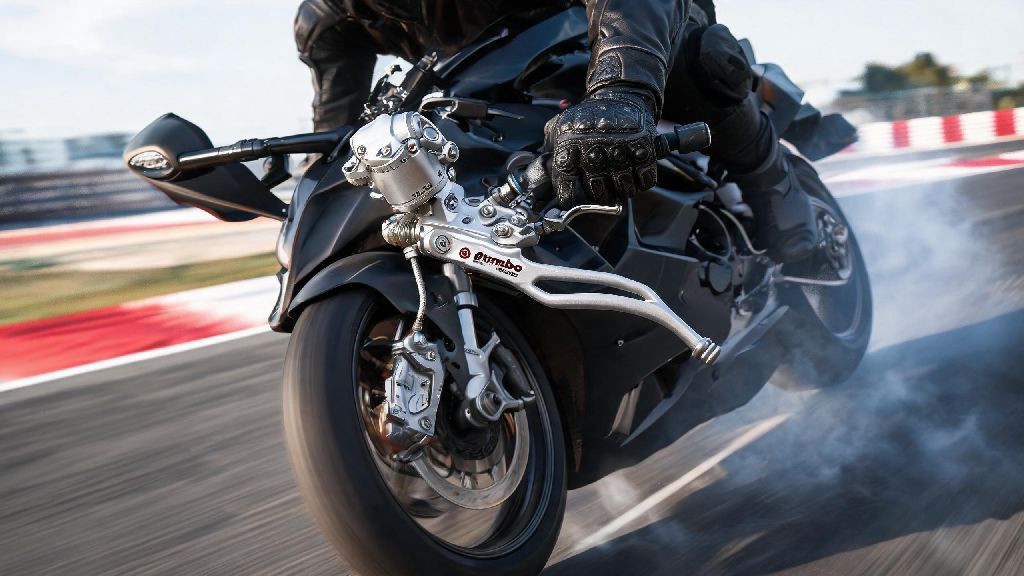
If you’ve ever pulled a hard brake at 120 mph on a track day only to feel your lever go mushy halfway through, you know how critical a high-performance braking system is. After testing dozens of aftermarket master cylinders over 7 years of amateur road racing, I can say the Brembo Racing 19 RCS master cylinder is one of the most impactful upgrades you can make to your vehicle’s stopping setup. It’s not just a fancy branded part — it fixes the inconsistent feel and slow response that plagues stock master cylinders, especially when you’re pushing your machine to its limits. I’ve run this exact part on both my track-only Yamaha R6 and my daily-ridden Ducati Monster, so I’m breaking down everything you need to know before buying, installing, and tuning it for your riding style.
Key Performance Benefits of the Brembo Racing 19 RCS Master Cylinder
The biggest draw of this master cylinder is its patented RCS, or Ratio Click System, that lets you adjust the piston leverage with a simple turn of a dial on the side of the unit. You can switch between 18mm and 20mm equivalent ratios in seconds, no tools required, to match your braking preference for different tracks or riding conditions. Consistent lever feel across all temperatures is another huge win, especially for long track sessions where stock cast iron master cylinders can heat soak and develop spongy feedback. The billet aluminum construction dissipates heat far faster, so you get the same firm pull on your 10th lap as you did on your first.
Faster brake response is also immediately noticeable: the precision-machined piston has almost zero dead travel, so you don’t have to pull the lever half an inch before your calipers start engaging. That split second of saved response time can be the difference between avoiding a crash and hitting a slower rider on track. I’ve also found it requires far less force to get full braking power, which reduces hand fatigue during hour-long endurance races. Even if you only ride on the street, the improved modulation makes it far easier to avoid locking up your front wheel in sudden stop situations.
Step-by-Step Setup Tips for Optimal Performance
Installing this master cylinder is fairly straightforward for anyone with basic mechanic skills, but small mistakes in setup can ruin its performance. I’ve messed up enough installations to know what makes a difference, so follow these tips to get the best results:
Many new owners make the mistake of cranking the lever adjuster all the way in to get the shortest pull possible, but that can cause the calipers to drag and wear out your pads far faster. Leave at least 2mm of free play at the end of the lever to avoid this issue. If you’re running aftermarket calipers, check their recommended master cylinder size to make sure the 19mm bore is compatible: it works perfectly with most 4-piston monobloc calipers from Brembo, Nissin, and Tokico, but may feel too soft if you’re running old 2-piston stock calipers.
Common Misconceptions About This Brake Upgrade
A lot of riders assume that any high-end master cylinder will automatically make their bike stop faster, but that’s not always true. This master cylinder won’t fix worn brake pads, warped rotors, or air in your lines, so you need to make sure the rest of your braking system is in good shape before you spend the money on this upgrade. You’ll get the best results if you pair it with slotted or drilled rotors and high-performance brake pads designed for your use case, whether that’s street commuting or full-time racing.
Another common myth is that it’s only for professional racers. I’ve recommended it to casual street riders who just want more confidence in their brakes, and every single one has told me it’s worth the investment. You don’t need to be hitting 180 mph on a track to benefit from better brake modulation — it makes stop-and-go city traffic far less stressful too, because you can fine-tune your stopping force far more easily than with a stock master cylinder. Some riders also worry that it’s hard to maintain, but the design is actually simpler than most stock master cylinders. All the seals are standard sizes, and you can rebuild the entire unit in 30 minutes with a basic rebuild kit if it ever starts leaking. I’ve had mine for 4 years now, and the only maintenance I’ve done is a seal replacement last year after 20+ track days and 15,000 street miles.
Is This Master Cylinder Worth the Investment?
This isn’t a cheap upgrade, so it’s fair to ask if it’s worth the price tag compared to cheaper aftermarket master cylinders. Let’s break down the value. First, it’s built to last far longer than cast iron or low-quality billet master cylinders: most riders get 5+ years of regular use out of them, even with heavy track use, so the cost per year is actually pretty low. The adjustability also means you don’t have to buy a new master cylinder if you switch bikes or change your riding style. You can adjust the ratio to match the new bike’s caliper setup in seconds, instead of shelling out for a whole new unit.
It also adds resale value to your bike — performance buyers will happily pay extra for a bike that already has a Brembo RCS master cylinder installed, because it’s a well-respected, high-quality part that signals the bike has been well-maintained for performance use. If you only ride your bike a few times a year for casual trips, it’s probably not worth the investment. But if you do any track days, canyon riding, or just want the best possible stopping performance from your machine, it’s one of the best upgrades you can make. I’ve bought cheaper off-brand master cylinders in the past to save money, and every single one either developed leaks after a few track days or had inconsistent lever feel that made me less confident on the bike. The Brembo unit has never let me down, even after multiple rain track days and years of daily street use.
At the end of the day, braking performance is the most important safety feature on any motorcycle, and cutting corners on your master cylinder is never a good idea. The Brembo Racing 19 RCS master cylinder delivers on every promise it makes: better feel, faster response, adjustable performance, and long-term reliability that you can count on when you need it most. Take the time to set it up correctly, match it to a well-maintained set of calipers and rotors, and you’ll wonder how you ever rode without it. Whether you’re a weekend track warrior or a daily street rider who values confidence in their stops, it’s an upgrade that pays for itself in peace of mind and improved performance.