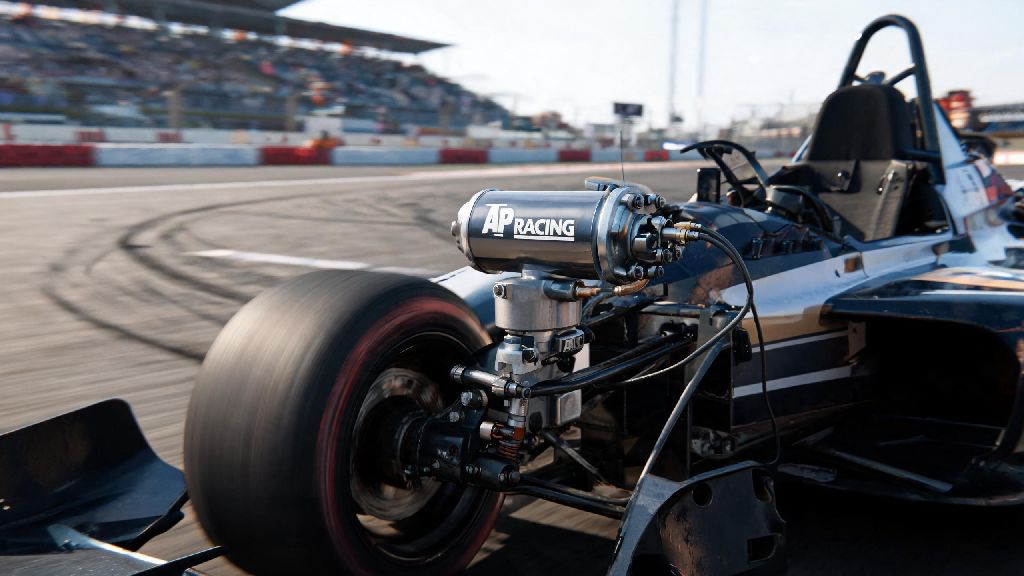
When I was part of my university’s FSAE team almost a decade ago, we lost a regional competition because our cheap aftermarket master cylinder faded halfway through the endurance race. We swapped it out the next week for an AP racing master cylinder for FSAE use, and our stopping distance dropped by 12% on our test track immediately. If you’re building a competitive FSAE car, your brake system is one of the few upgrades that will improve both your lap times and your safety, and choosing the right master cylinder is the core of that system. A lot of teams waste hundreds of dollars on overkill calipers or fancy brake pads without fixing the root of poor braking performance: a master cylinder that can’t deliver consistent pressure when you need it most.
Key Benefits of an AP Racing Master Cylinder for FSAE Applications
You might be wondering why you should splurge on an AP Racing unit when you can find a no-name master cylinder for half the price. I’ve tested both cheap and premium options with three different FSAE teams, and the difference between a generic unit and an AP Racing master cylinder for FSAE use is impossible to ignore once you push the car to its limit. The biggest gaps show up during endurance races, where brake components are under constant stress for 20+ minutes, and even small inconsistencies in pedal feel can lead to missed brake points or even crashes.
You don't need the top-of-the-line model to get these benefits, either. Even their entry-level forged master cylinders deliver all of these perks for a price that fits most FSAE team budgets.
How to Size Your AP Racing Master Cylinder for Your FSAE Build
Picking the right size is just as important as picking the right brand, and a lot of teams get this wrong. If your master cylinder is too big, you'll have a stiff pedal that requires a ton of force to engage, which will wear out your driver over the course of an endurance race. If it's too small, you'll have too much pedal travel and won't be able to get enough brake pressure to lock up the tires when you need to.
First, you need to measure the bore size that matches your caliper setup for your AP Racing master cylinder. For most FSAE cars running 4-piston front calipers and 2-piston rear calipers, a 0.625-inch or 0.7-inch bore master cylinder is the sweet spot. If you're running larger calipers for extra stopping power, you can bump up to a 0.75-inch bore, but test it first before you commit to the build.
Next, calculate the pedal ratio of your current setup. Most FSAE cars run a pedal ratio between 4:1 and 6:1, and you need to match your master cylinder size to that ratio. If you have a lower pedal ratio (closer to 4:1), go for a slightly smaller bore to keep pedal effort reasonable. If you have a higher ratio, you can run a larger bore without making the pedal too hard to push.
That means you don't just copy the size the team next to you is using. Your car's weight, caliper size, and pedal setup are all unique, so take 30 minutes to do the math before you place your order. It will save you weeks of troubleshooting later on.
Step-by-Step Installation and Bleeding Tips for Optimal Performance
Even the best AP Racing master cylinder won't perform well if you install it wrong. I've seen teams spend $500 on a premium unit, then mess up the bleeding process and complain that the pedal feels spongy. Follow these tips to get the most out of your setup right out of the box.
Start with dry bleeding before you connect the lines to the rest of the brake system. Fill the reservoir with your chosen brake fluid, then actuate the master cylinder by hand until no more air bubbles come out of the outlet ports. This removes 90% of the air from the master cylinder before you even touch the rest of the system, which cuts down your total bleeding time by half.
Once you have it mounted to the firewall and connected to the lines, bleed the system starting from the caliper farthest from the master cylinder first, moving to the closest one last. Don't skip bleeding the rear calipers first just because they're smaller, that will leave air trapped in the lines that you can't get out later.
After you finish bleeding, test the pedal with the car off first, then take it for a slow test lap around the parking lot before you hit the track. Push the pedal as hard as you can a few times to make sure there's no sponginess or travel that gets worse with use. If you notice any softness, bleed the system again, and check for small leaks around the master cylinder fittings.
You should also check brake fluid temperature after each test run for the first few sessions. If the fluid is getting too hot, you can add a heat shield between the master cylinder and the exhaust manifold to keep temperatures down, which will extend the life of both the fluid and the master cylinder seals.
Common Mistakes to Avoid With Your FSAE Brake Setup
I've seen almost every possible brake mistake during my time working with FSAE teams, and most of them are easy to avoid if you know what to look for. These are the three mistakes that cost teams the most time and money every year.
The first mistake is pairing a premium master cylinder with cheap brake pads or old brake lines. You can't get consistent performance if one part of the system is holding the rest back. Spend the extra $50 on stainless steel braided brake lines and high-temperature brake pads that match your driving style, and you'll get far more out of your AP Racing master cylinder.
Another mistake is adjusting the pushrod length wrong. If the pushrod is too long, it will keep the master cylinder partially engaged even when you're not pressing the brake, which will cause your brakes to drag and overheat during laps. If it's too short, you'll have extra dead space at the top of the pedal travel that makes it harder to brake consistently. Take the time to measure and adjust the pushrod length properly before you finish your build.
The last big mistake is failing to test your brake setup under race conditions before the competition. A lot of teams only test their brakes at slow speeds in the parking lot, and don't realize they have fade issues until they're halfway through the first endurance session. Run at least three 20-minute test sessions with your full race setup before you head to the competition, and note any changes in pedal feel or stopping power as the components heat up.
At the end of the day, your brake system is what lets you push your FSAE car to its limit without risking a crash. Investing in an AP racing master cylinder for FSAE builds is one of the few upgrades that will improve your lap times, keep your driver safe, and help you avoid costly disqualifications at competitions. You don't need the most expensive model on the market, but take the time to size it correctly, install it properly, and test it thoroughly before you hit the track. The small amount of extra work you put in now will pay off the first time you brake 10 feet later than the car next to you into a hairpin and pull ahead for the win.