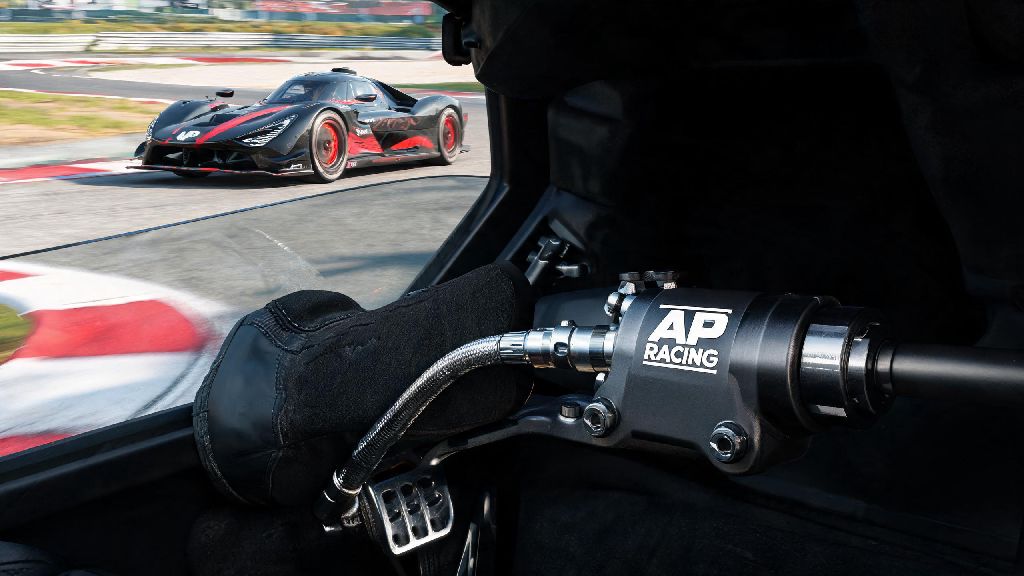
If you’ve ever slammed on your brakes heading into a tight hairpin only to feel a spongy, unresponsive pedal, you know how much of a difference a high-quality brake system makes to your on-track performance. Even top-tier calipers and slotted rotors won’t deliver consistent stopping power if your core control unit is mismatched or poorly maintained, which is why so many pro and amateur racers rely on AP Racing brake master cylinders for their builds. These units are designed to handle the extreme heat and repeated stress of competitive racing, and they’re far more reliable than stock or budget aftermarket alternatives for anyone pushing their car to its limits.
Key Benefits of Upgrading to AP Racing Brake Master Cylinders
Unlike mass-produced OEM master cylinders built for daily driving comfort, AP Racing units are engineered specifically for performance use. Precision machined from high-grade aluminum, they’re far lighter than cast iron stock units, which cuts down on unneeded weight in your engine bay and reduces heat expansion that causes inconsistent pedal feel during long sessions. You’ll also get consistent, firm pedal feedback every time you hit the brakes, so you can judge exactly how much pressure to apply without guessing mid-corner.
Another huge plus is their modular design. Most AP Racing master cylinders use standardized seals and internal parts, so you don’t have to replace the entire unit if a seal wears out. I’ve run the same unit on my time attack Honda Civic for three full seasons, only swapping out seals once at the start of the third year, and it still performs as well as the day I bought it. The universal mounting patterns on most models also make them compatible with most aftermarket pedal boxes, so you don’t have to do extensive custom work to fit one to most common race car builds.
How to Pick the Right AP Racing Brake Master Cylinder for Your Build
Choosing the wrong unit will leave you with a pedal that’s either too stiff to push comfortably or so spongy you can’t get full braking force, so it pays to do your research before buying. The most important spec to get right is bore size: smaller bores deliver more hydraulic force for the same pedal pressure but have longer travel, while larger bores give shorter, firmer travel but require more leg force to activate. You’ll need to match the bore size to your caliper’s total piston area, your car’s weight, and whether you run a brake booster or not.
Before you place your order, run through these three critical checks to avoid wasting money on a unit that won’t work for your build:
I made the mistake of skipping this step early on, grabbing a 7/8” bore unit that was meant for a 3,000lb muscle car for my 2,200lb Civic. I had to push so hard on the pedal to get full stopping power that I cramped my calf mid-race and missed a podium spot. Bore size matching is the single most important factor when choosing your unit, so don’t skip that step to save a few minutes of research.
Common Installation and Setup Mistakes to Avoid
Even the best AP Racing brake master cylinder won’t perform right if you install it incorrectly, and small mistakes can lead to dangerous failures on track. The first mistake most people make is skipping bench bleeding before installing the unit. AP Racing units have small internal passages that trap air easily, so you need to bleed the master cylinder on your workbench before you bolt it to the car, otherwise you’ll spend hours trying to get air out of the system after installation.
Another common error is guessing at pushrod length. If the pushrod connecting your brake pedal to the master cylinder is too long, it will hold the piston partially depressed, causing brake drag that wears out your pads and rotors in just a few laps. If it’s too short, you’ll have an inch or more of dead travel at the top of your pedal before the brakes engage. Always use a pushrod length gauge to get this measurement perfect, don’t rely on eye-balling it or adjusting until it “feels right.” You should also pair your new master cylinder with braided stainless steel brake lines to get the full benefit of its firm feel; cheap rubber lines flex under pressure, so you’ll lose that crisp feedback you paid for.
Routine Maintenance Tips to Extend Your Unit’s Lifespan
AP Racing brake master cylinders are built to last, but they still need regular care to avoid unexpected failures. The easiest way to keep your unit in good shape is to flush your brake fluid every 2 to 3 track days, or every 6 months if you drive your race car on the street too. Brake fluid absorbs moisture over time, which lowers its boiling point and can corrode the internal seals of your master cylinder, leading to leaks or spongy pedals.
Inspect your master cylinder seals and piston condition at the start of every race season, especially if you run 10 or more track days a year. Rebuild kits cost less than $50 and take less than an hour to install, which is far cheaper than replacing the entire unit or dealing with a brake failure mid-race. If you store your car over the off-season, make sure you flush the old fluid out before you put it away, and top it off with fresh, high-temperature brake fluid before your first event of the year. I learned that lesson the hard way when I left old fluid in my system over winter, and had to replace all the seals the following spring after they corroded and started leaking.
Investing in a high-quality AP Racing brake master cylinder is one of the most impactful upgrades you can make to your race car’s brake system, as it’s the core component that controls how all your other brake parts perform. You don’t need to be a professional mechanic to install and maintain one, as long as you follow the sizing, installation, and maintenance tips we covered here. Next time you’re upgrading your brake setup, don’t overlook the master cylinder—it’s the difference between a consistent, reliable pedal and a dangerous, unpredictable one that could cost you a race or worse.