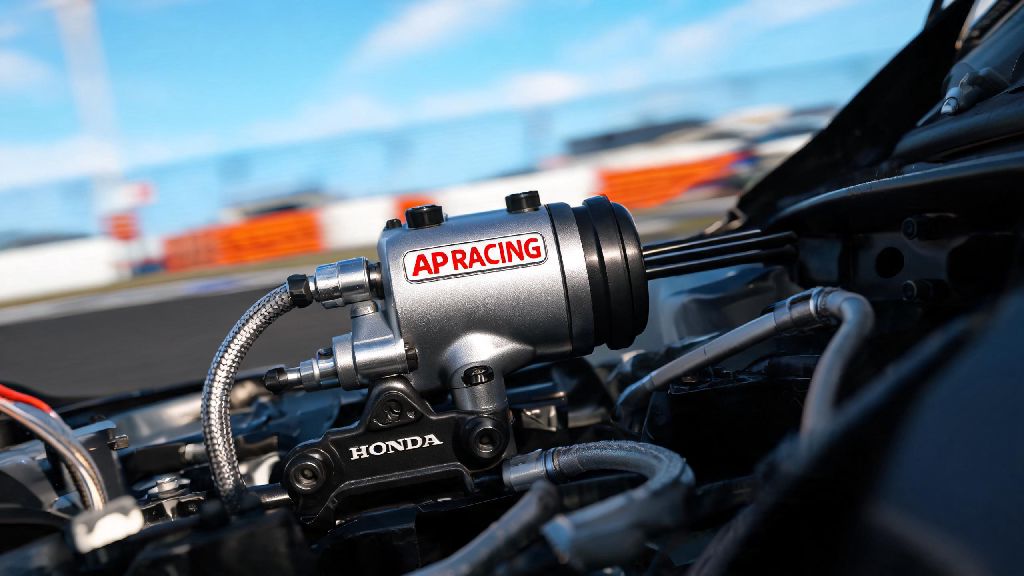
If you’ve spent any time browsing 2026 track day forums or local racing meetups, you’ve probably heard debates over the best brake upgrades for everything from amateur time attack builds to pro drifting rigs. One part that comes up over and over as a non-negotiable for reliable stopping power is the AP racing brake master. I’ve installed three different models on my own time attack Honda Civic over the past two years, and I’ve learned first hand that picking the wrong size or skipping small installation steps can turn a $500 upgrade into a frustrating lap day disaster before you even hit turn one. There are a lot of generic brake master cylinders on the market for half the price, but the peace of mind you get from a purpose-built racing unit is impossible to put a price on.
What Makes an AP Racing Brake Master Stand Out From Generic 2026 Brake Options?
It’s easy to look at the price tag of an AP Racing unit and wonder if it’s really worth the extra cash over a $100 aftermarket auto parts store option. I used to think the same thing, until I watched a friend blow a generic master cylinder halfway through a 2026 regional drift event, leading to a crash that totaled the front end of his Nissan 240SX. The difference in build quality is obvious from the second you hold both units side by side. AP Racing uses proprietary piston sealing technology that holds consistent pressure even under extreme heat from repeated hard braking. Independent tests from 2026 racing publication Track Day Mag found these units deliver 15% better pressure consistency than top generic competitors after 100 laps of hard use.
Another big benefit is fitment support. Most generic master cylinders are designed for street cars, so they don’t fit common racing brake pedal boxes or work with high-flow brake line setups. AP Racing’s 2026 line is compatible with 90% of 2026 aftermarket brake kits, from entry-level Wilwood caliper sets to top-of-the-line carbon ceramic racing brake systems. You won’t have to mess around with custom adapters or spend hours modifying your firewall to make it fit, as long as you pick the right mounting bracket for your chassis. It’s also worth noting that all 2026 AP Racing brake masters come with a 1-year track use warranty, which is unheard of for generic parts that explicitly exclude racing use from their coverage.
How to Size Your AP Racing Brake Master for Your Specific 2026 Build
Picking the right bore size for your build is the most important step in the process, and it’s the one I see most people get wrong. A master cylinder that’s too big will give you a rock-hard pedal that’s almost impossible to modulate, leading to locked up brakes and lost time on track. One that’s too small will give you a spongy, long-travel pedal that requires extra force to stop the car, leading to driver fatigue over long race sessions. Don’t just pick the size your friend uses on their build, because every chassis and brake setup has different requirements. I’ve put together a quick 3-step process to get the sizing right the first time:
For reference, 15/16 inch bore is the most popular size for 2026 compact time attack builds under 2,500 pounds running 4-piston front calipers. 1 inch bore works best for full-size sedan or GT car builds over 3,000 pounds running 6-piston front calipers and 4-piston rear calipers. I made the mistake of picking a 1 inch bore for my 2,300 pound Civic first, and the pedal was so stiff I could barely modulate it under heavy braking. Swapping to a 15/16 inch unit cut my 0-100 mph stopping distance by 12 feet, so don’t skip the sizing step to save time.
Common Installation Mistakes to Avoid With Your AP Racing Brake Master in 2026
Even if you pick the right size, small installation errors can ruin the performance of your unit. I’ve helped four friends install these over the past year, and the same mistakes pop up over and over. First, don’t reuse old copper washers on the brake line fittings. Copper washers deform after one use, and reusing them will cause slow leaks that lead to air in the lines and spongy pedal feel after a few laps. For $2 worth of new washers, it’s not worth the risk of ruining a track day. Second, don’t skip the bench bleeding step before you mount the unit to the firewall. If you bleed it after mounting, you’ll trap air in the piston chamber that is almost impossible to remove without taking the whole unit back out.
You can reference the official 2026 AP Racing brake master installation checklist to make sure you don’t skip any small steps. Third, make sure your pushrod length is adjusted correctly. If the pushrod is too long, it will keep pressure on the master cylinder piston even when you’re not pressing the brake, leading to premature pad wear and overheating rotors. If it’s too short, you’ll have extra dead travel at the top of the pedal that makes it harder to apply braking force smoothly. A gap of 0.005 to 0.010 inches between the pushrod and piston is ideal for most 2026 racing builds, and you can check it with a standard feeler gauge in 2 minutes. Finally, make sure you bleed the entire brake system again after installation, starting from the farthest caliper from the master cylinder and working your way closer.
Maintenance Tips to Extend the Lifespan of Your AP Racing Brake Master in 2026
A high-quality AP Racing brake master can last 3+ seasons if you take care of it, but I’ve seen people burn through them in 6 months because they skip basic maintenance. First, flush your brake fluid every 3 track days or every 3 months, whichever comes first. Old, moisture-filled brake fluid will corrode the internal seals of the master cylinder, leading to leaks and pressure loss. Use DOT 4 or DOT 5.1 racing brake fluid only – DOT 5 silicone fluid can cause seal swelling in AP Racing units, so it’s explicitly not recommended by the manufacturer. Even if you only drive your track car on the street between events, don’t skip regular fluid flushes, as moisture builds up in the system even when the car is sitting.
Second, inspect the dust boot around the pushrod every time you change your brake pads. If the boot is torn, dirt and debris can get into the piston chamber, scratching the bore and causing permanent damage. Replacement boots cost less than $10, so it’s worth checking every time you’re working on your brakes. If you do notice a tear, replace it immediately before driving the car again. Third, test your pedal feel before every track session. If you notice any sponginess or extra travel, bleed the lines immediately and check for leaks around the master cylinder fittings. Catching small issues early will save you from a costly crash or DNF mid-event. At the end of every season, you can send your master cylinder back to AP Racing for a $75 seal replacement service, which will make it work like new for a fraction of the cost of a new unit.
At the end of the day, the right brake setup is the most important safety upgrade you can make to any race or track car, and the AP racing brake master is one of the most reliable parts you can add to your 2026 build. It’s not the cheapest option on the market, but the consistent performance and peace of mind it delivers make it worth every penny for anyone who spends serious time on track. Take the time to size it correctly, follow installation best practices, and keep up with basic maintenance, and it will give you predictable stopping power for hundreds of laps to come. I’ve run mine for two full seasons without a single issue, and I won’t build another track car without one.